


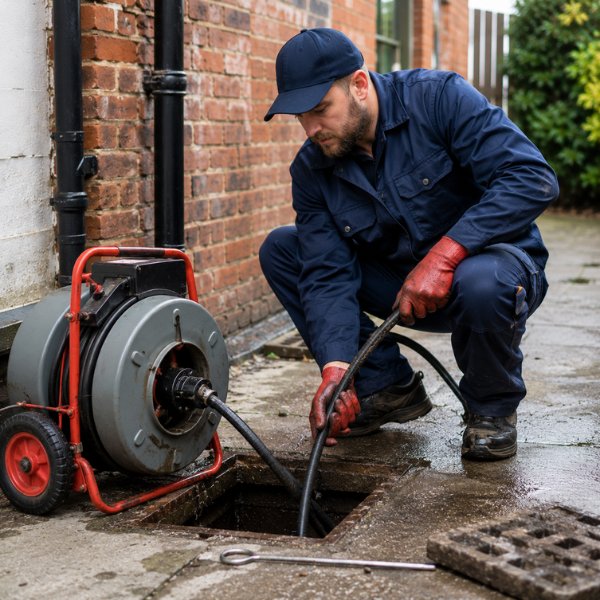
When a restaurant or office has a sewer backup, everything stops.
When unpleasant smells start spreading, business slows down and that can quickly hurt your revenue. Many business owners begin looking for fast ways to solve the problem.
In this blog, we’ll explain what causes commercial sewer pipe issues and share the best solutions to fix them quickly.
Why Commercial Sewer Systems Need Special Attention
Commercial sewer systems face more stress than home plumbing. Dozens or even hundreds of people use restrooms and sinks each day. Restaurants deal with food waste and grease, while offices face heavy daily use.
Here’s why commercial pipes need extra care:
- More people are using restrooms and kitchens every day.
- Grease and soap build up faster in restaurant drains.
- Old clay or cast-iron pipes break down under heavy use.
Common Problems in Commercial Sewer Pipes
Over time, commercial pipes start to weaken and clog. Grease and food waste stick to the walls. Roots can grow inside old clay pipes and block water flow.
Here are the early signs of sewer issues related to it:
- Drains running slowly in kitchens or restrooms.
- Sewer smells around floors or walls.
- Toilets bubbling or backing up during busy hours.
Common Fixes for Commercial Sewer Problems
Choosing the right fix for sewer problems depends on the type of damage and where your pipe is located. Trenchless repair methods save time and avoid business closures. On the other hand, a full excavation method is used only when damage is too severe.
Here are the most common commercial repair methods:
1. Traditional Excavation Repair
This method digs up the damaged pipe so a new one can be installed. It’s reliable but messy and can take several days to finish. It’s best when a pipe has completely collapsed or can’t be relined. Businesses often use this method when trenchless repair isn’t possible.
2. Cured-In-Place Pipe Lining (CIPP)
CIPP repair creates a new pipe inside the old one without digging. A soft liner coated with resin is pushed through the damaged section and hardened to seal cracks. It’s fast, clean and ideal for clay pipes or mild root intrusion. This trenchless option restores flow and strength, often within hours.
3. Pipe Bursting
Pipe bursting replaces the old line with a brand-new pipe. A special head breaks apart the damaged pipe while pulling a new one through the same path. It’s great for long sections or pipes under parking lots where digging would shut down business operations.
4. Septic Line Replacement
Some commercial properties use septic systems instead of city sewer lines. When these lines clog or leak, sewage can back up or pool on the ground. Modern replacement uses durable materials that last decades. Regular inspections and pumping help prevent full system failure.
How to Keep Commercial Sewer Lines in Good Shape
Regular care helps your sewer system last longer and prevents sudden breakdowns that can close your business. Simple habits like getting pipes checked every year and fixing small leaks early can stop bigger problems from forming.
Avoid pouring grease or harsh chemicals down drains, as they damage pipes and cause blockages. Keeping trees trimmed near sewer lines also helps prevent roots from growing into the system.
Understanding the Sewer Lateral & Who Owns It
Many business owners are surprised to learn that the pipe from their building to the city’s sewer line is their responsibility. This pipe is called the sewer lateral and if it breaks, the city will not fix it.
Because businesses use more water every day, these pipes wear out faster. A quick camera check from a plumber can spot small cracks early and save you from big repair bills later.
Frequently Asked Questions (FAQs)
What’s the best way to fix a commercial sewer pipe?
It depends on the damage. If the pipe still holds its shape, CIPP lining works well. For collapsed sections, excavation or bursting is better.
Can trenchless repair fix old clay pipes?
Yes, the liner creates a smooth new surface inside the old pipe and blocks roots permanently.
How long does trenchless repair last?
Up to 50 years or more when installed correctly.
Who pays for the sewer lateral?
The property owner, even under sidewalks or driveways.
When does a septic line need replacement?
When you notice sewage smells, wet spots, or frequent backups.
Contact Rite Rate Plumbing to Get Professional Commercial Sewer Repair Services in New Jersey
If your business faces slow drains or sewer backups, our experts can help. We provide commercial sewer repairs, and full septic line replacements across New Jersey.
Our team at Rite Rate Plumbing works 24/7 to keep your business running. Contact us today to schedule a sewer inspection or repair service.