


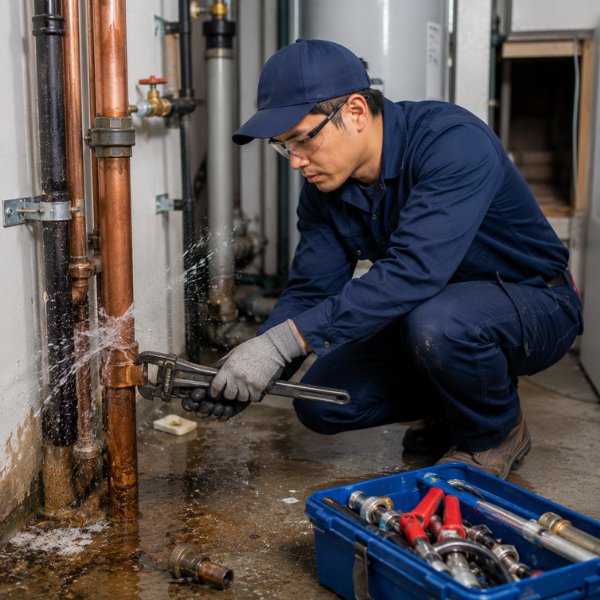
Old sewer pipes can crack or get blocked by dirt or tree roots. When this happens, many homeowners think they need to dig up their yard to fix the problem. But that’s not always true.
Cured-in-Place Pipe Lining (CIPP) is a simple and clean way to fix broken pipes without digging.
In this blog, you will learn what CIPP is and how it can help you fix your pipes easily.
What Is Cured-in-Place Pipe Lining (CIPP)?
Cured-in-Place Pipe Lining or CIPP is a simple way to fix broken or leaking pipes without digging. Plumbers put a soft tube inside the damaged pipe and fill it with a special liquid that hardens when heated.
After it dries, the old pipe gets a smooth layer inside it that works like new. This method keeps your yard and floors safe and keeps tree roots from getting in.
When Should You Consider CIPP Lining?
CIPP lining is best for homes where pipes are damaged but still holding their shape. It helps when you want a clean fix without tearing up your yard or floors. This method works well for older homes or houses with large trees near the sewer line.
You might need CIPP if:
- You notice strange sounds or bad smells from the drains.
- Your plumber says tree roots or cracks are blocking the pipe.
- You want to fix your pipes without digging or breaking your driveway.
How the CIPP Process Works
CIPP repairs use the existing access points in your home. In that case, there is no need for digging or heavy damage to your pipe.
Here’s a step-by-step process that is followed for CIPP repair process:
1. Inspection & Cleaning
Our expert plumber team put a small camera into your pipes to find cracks. Afterwards, they use hydro jetting to clean the pipe.
2. Liner Preparation
A soft liner made from felt or fiberglass is soaked in a resin that hardens when heated, this forms the new inner pipe.
3. Insertion & Inflation
The liner is pushed into the old pipe and inflated with air or water pressure. It fits tightly against the pipe walls.
4. Curing the Liner
Hot water, steam, or UV-cured pipe lining hardens the resin into a solid, smooth new pipe in just a few hours.
5. Final Inspection
A final camera check confirms everything is sealed and flowing properly before your plumber restores normal service.
Benefits & Drawbacks of CIPP Lining
There are many benefits associated with CIPP lining, but it comes with many limitations also. This method is helpful in many situations but it’s not the right method in every case.
Benefits of CIPP Lining
Homeowners use this method because it saves their yards and time. There’s no digging or damage to driveways or gardens. Most repairs finish within a single day and the new lining lasts for decades.
Limitations of CIPP Lining
CIPP lining works well for damaged but not broken pipes. If your pipe has already collapsed, this method may not help. It also can’t fix pipes with a bad slope or standing water problems.
What to Expect on Repair Day
During repair, our plumber team completes the job within a day. You should avoid using water for a few hours before the repair starts.
The plumbers need to get access to your basement for the work, but expert technicians protect the floor during work. Once the liner is ready, you can start using your sinks and showers.
How Much Does Cured-in-Place Pipe Lining Cost?
The cost associated with CIPP lining is less than traditional pipe replacement as there’s no digging associated with it. The cost generally depends on the length and width of your pipe.
The total price also varies based on the cleaning your pipes need before installation.
Choosing Reliable Pipe Lining Contractors
Not every plumber has the tools or training for CIPP. Choosing the right expert ensures your repair lasts for decades. Before hiring, ask questions and check reviews.
Here’s how to pick a reliable CIPP contractor:
- Licensed and insured for trenchless work.
- Uses camera inspection before and after repair.
- Offers written estimates and warranty.
- Shares past project photos or reviews.
- Explains the process clearly without pressure sales.
Frequently Asked Questions (FAQs)
How long does it last?
Up to 50 years or more with proper installation.
Does it make pipes smaller?
Only a little, but the new smooth surface helps water flow better.
Can it fix every pipe?
No, crushed or collapsed pipes still need to be replaced.
How long does the job take?
Most homes are done in one day.
Contact Rite Rate Plumbing to Get Professional CIPP Services in North New Jersey
Many older homes in New Jersey areas, like Caldwell and Essex County still have clay or cast-iron sewer lines that crack or leak over time. Cured-in-Place Pipe Lining helps repair those pipes fast without disturbing your yard or driveway.
Our expert plumber team in NJ shows you real footage of your pipes before starting work, so you understand every step. Contact us for reliable trenchless repair recommendations that save time and money.