


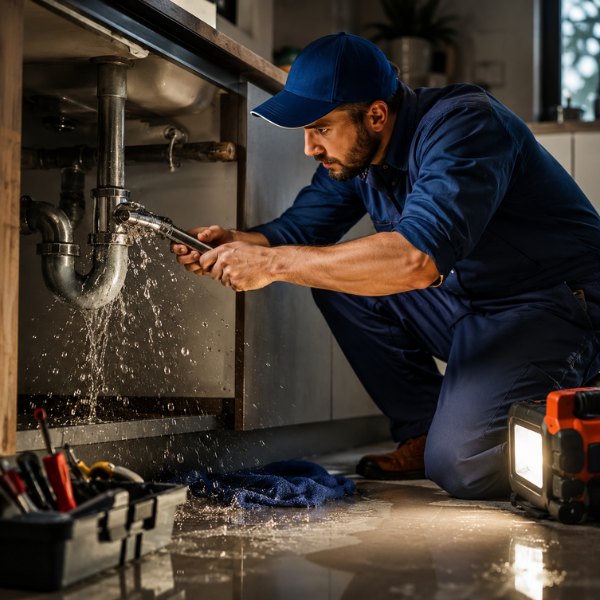
The plumbing problems may happen at any time, whether it is the sudden flood of water into a broken pipe or the failure of a water heater at the most inappropriate moment.
These situations can cause immediate panic, and among the first thoughts going through the mind of any homeowner is the cost of a quick response.
In this guide, you will have an easy-to-understand breakdown of what you should expect to pay, what factors will affect the cost, and when it is actually necessary to call a plumber immediately, in comparison to the times when you can comfortably wait until the normal business hours.
What is a Plumbing Emergency?
An overflow of water in your basement due to a burst pipe is an emergency, with the fast spreading water having the potential to destroy your walls. The sewage that builds up in your house also requires urgent consideration as it poses health risks.
When the weather is cold, and your family needs hot water, a broken water heater can be a serious problem. If the temperature drops too low, frozen pipes may burst, and big leaks from a tank-style or gas water heater can damage floors in a matter of hours.
Average Emergency Plumber Cost by Time & Situation
When the problem happens and what needs to be fixed will have a big impact on how much you pay.
Here is a typical breakdown of the costs:
Service Type | Cost Range |
Regular Hours Service Call | $150 – $300 |
After-Hours/Weekend Call | $200 – $450 |
Holiday Emergency Call | $300 – $500+ |
Hourly Labor Rate | $100 – $200+ |
Burst Pipe Repair | $500 – $2,000 |
Water Heater Emergency Repair | $1,200 – $2,500 |
Sewer Line Clog | $500 – $1,500 |
Sump Pump Failure | $300 – $1,200 |
What Does an Emergency Plumber Include?
When you call an emergency plumber, you pay for immediate service. A licensed plumber comes to your location quickly, looks at the problem, and starts fixing it right away. It makes sure that your plumbing emergency is handled safely and fixed quickly.
Burst Pipe & Leak Repair
Water damage spreads at an amazing speed. The water breaks through walls and damages floors while threatening your home’s structural integrity unless you take fast action. Stopping the water in its tracks is the first priority of skilled plumbers.
They’ll turn off your main water line right away to stop the flooding. Then they cut out whatever pipe section broke and put in a new one. After that, they check walls and floors to see if water got where it shouldn’t have. Once everything’s sealed up, they test the pressure to make sure water flows normally again.
Water Heater Emergency Repairs
A dead water heater throws off your whole day. A licensed plumber will figure out what’s wrong and either fix it or tell you if replacing the unit makes more sense financially. If you’ve got a gas water heater and the pilot light or controls went haywire, they can repair that.
The electric water heater heating elements quit sometimes too, and those can be swapped. When the unit is old enough that repairs don’t make economic sense anymore, they’ll install a new one. And if you’ve got water heater leak repair issues around the drain valve, they’ll handle that too.
Severe Drain Clogs & Sewer Backups
For main sewer line clogs, they’ll use hydro-jetting equipment to blast through the blockage. Toilets and sink drains usually need snaking. If the problem’s hidden, they might run a camera down there to find exactly where things are blocked.
And, if sewage actually backed up into your home, they’ll clean that up properly and sanitise everything. What you’ll pay depends on where the blockage is and what equipment the plumber needs to clear it out.
Ways to Reduce Emergency Plumbing Costs
Most plumbing disasters never happen if you keep up with basic maintenance. Smart homeowners take care of their systems and dodge those premium after-hours bills entirely.
Here are some maintenance steps that you can employ regularly to avoid costly breakdowns:
- Drain your tank-style water heater once a year to flush sediment buildup.
- Swap out the anode rod before it fails to protect the tank.
- Test your T&P relief valve annually on the water heater functionality.
- Stick a drip pan under the water heater to catch leaks early.
- Ask about maintenance plans that give you faster help in an emergency.
When to Call a Plumber To Reduce Plumbing Costs
If you call for help during a gas leak, sewage overflow, major flooding, or a broken water heater, you can stop a lot of damage. Water moves quickly through walls and floors, and the longer you wait, the more expensive the repairs will be.
The fee for an emergency call-out may seem high, but it’s much less than the cost of fixing damage later.
Frequently Asked Questions (FAQs)
What’s included in the service call fee?
That initial charge covers the plumber getting to your place, figuring out what’s wrong, and usually the first half hour to an hour of actual work. Any additional labour or parts beyond that will increase your bill.
Does homeowners’ insurance cover repair expenses?
Depends entirely on what your policy says and what caused the problem. A lot of policies will cover sudden water damage, but won’t pay for maintenance stuff or leaks that developed slowly over time.
Are replacement costs higher during emergencies?
Getting a new water heater installed after hours comes with premium pricing attached. Emergency replacements usually run anywhere from $1,500 to $3,000 or more.
Contact Rite Rate Heating Cooling & Plumbing for Trusted Emergency Plumbing Services in North NJ
Our licensed team at Rite Rate Heating, Cooling & Plumbing responds immediately to burst pipes, water heater failures, and sewage problems. We’ll check your whole system so little issues don’t turn into expensive nightmares.
Contact us whenever you need reliable help in an emergency plumbing situation, we provide services all across North New Jersey.